An independent guide to the culture, places and craft of Turkey
Food & Table
Çay, and the Two-Part Glass
Turkey's tea is brewed strong in a double pot, served in a waisted glass, and never rushed.
By the ReaderFood & Table2 min readLiving layer
01The Two-Pot System
The çaydanlık is two kettles stacked. Water boils in the lower; the upper, smaller pot holds loose black tea — usually grown along the eastern Black Sea coast, around Rize — that steeps in the steam and trickle of that heat. The result in the top pot is koyu, almost black, impossibly strong. What goes into the glass is a mixture: a pour from the top, diluted to preference with plain hot water from the bottom. The ratio is the only decision the drinker makes, and it is a genuine one. Açık means light; koyu means dark. The person pouring asks, or already knows.
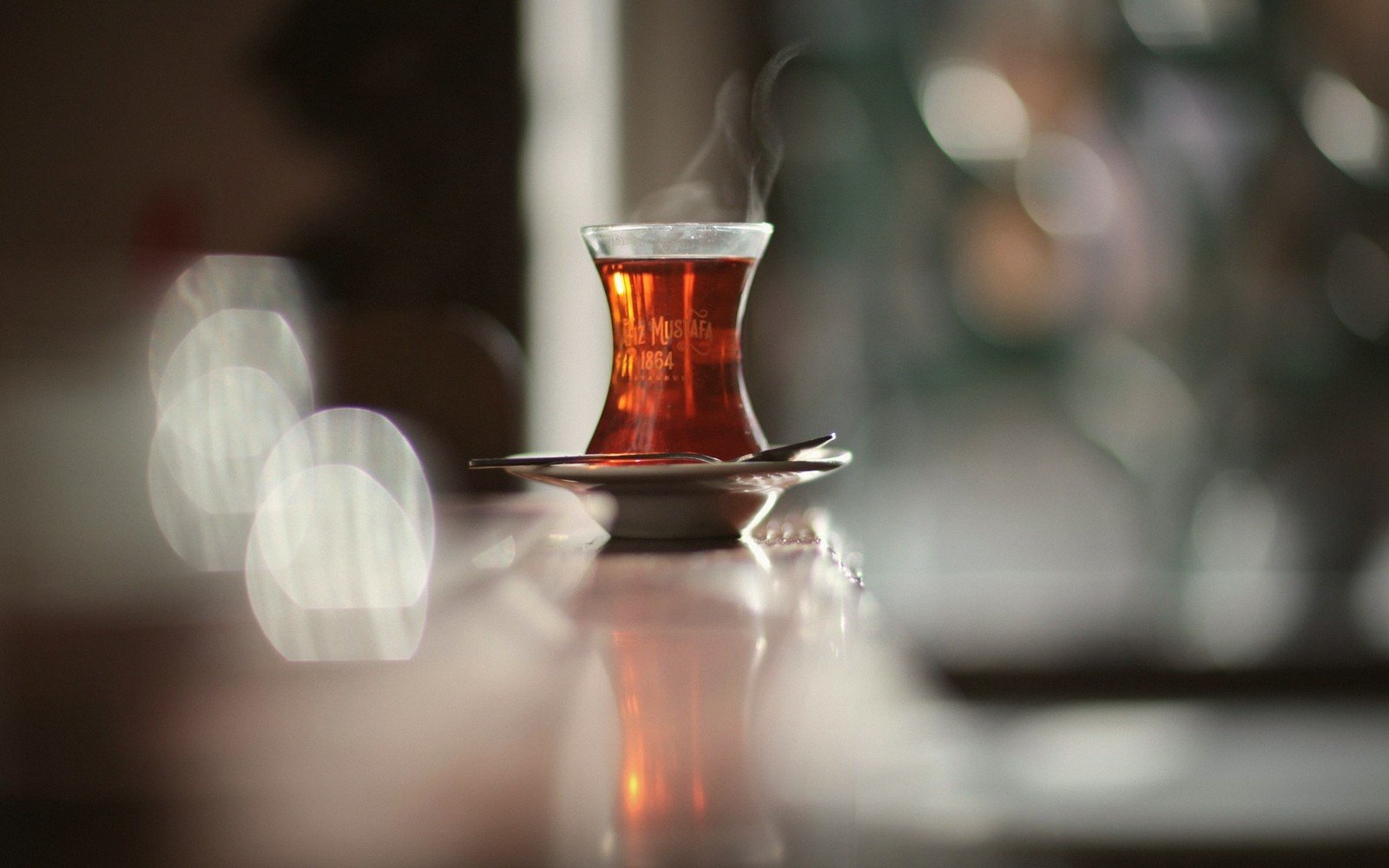
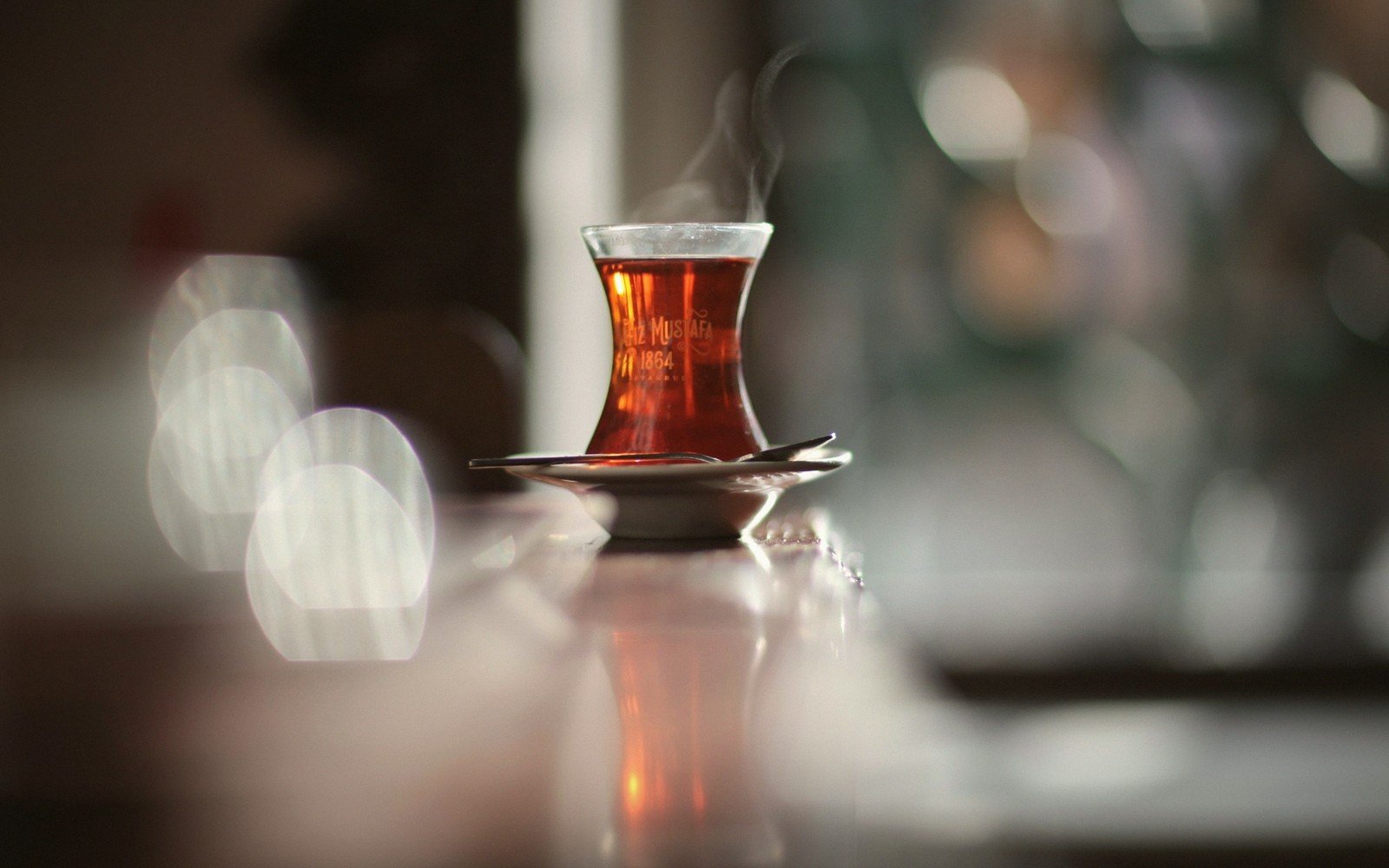
The glass is tulip-shaped — waisted at the middle, flaring at the rim — and it is small, holding perhaps a hundred millilitres when filled. It sits on a small saucer with two cubes of sugar placed beside it, never dissolved in. Glass not ceramic: the colour of the tea matters. A good pour is a deep amber, clear, with a light catching through it. A grey or murky tea is a failed tea, and the person who made it knows it.
The glass comes out, is drunk, is replaced without being asked for again.
By the numbers
~100 mlapproximate capacity
02What It Is For
Çay is not a breakfast drink, though it appears at breakfast. It is not an afternoon drink, though it appears then too. It appears at every interruption — after a price is agreed, before a conversation ends, when someone arrives and when someone is about to leave. A glass is almost never refused. Refusal is an odd social move, requiring mild justification; acceptance requires nothing at all.
The tea gardens of Istanbul — çay bahçeleri, scattered from the Bosphorus slopes to the streets behind the Grand Bazaar — run on this logic. The glass comes out, is drunk, is replaced without being asked for again. In the covered bazaars, the çaycı circulates with a tray, maintaining a tea supply for shopkeepers and their guests that runs from opening to closing without interruption. The çaycı's route is its own form of social infrastructure.
In the southeast and east, the same glass sometimes gives way to a small, handle-less cup, and the tea leans sweeter. Along the Black Sea coast, where the plantations run on steep hillsides above the water, the tea tends to be brewed stronger still and the pace of drinking is, if possible, even less hurried. The çaydanlık sits on the stove all morning. The top pot is refilled. The water below keeps boiling. There is always another glass.
map-slot
Locator for Rize — real geometry, true coordinates.
Rize on the map of pinned sites. Drawn from the supplied Natural Earth geometry at true coordinates — nothing here is sketched. Every guide carries a pin and a layer, so a place can be found by where it is or by when it is.
Named in this guide
Rize
Black Sea coastal province; centre of Turkish tea cultivation.
Words used above
çay
Turkish tea, brewed loose-leaf in a two-part pot
çaydanlık
double-stacked kettle used to brew and dilute Turkish tea
açık
light (dilute) tea; more hot water than concentrate
koyu
dark (strong) tea; mostly concentrate from the upper pot
çay bahçesi
tea garden; outdoor or semi-open space for drinking tea
çaycı
tea-runner who circulates with a tray in bazaars or offices