01
The field
Repeat
Octagram
Two squares, one turned. Set it repeating and it produces the star-and-cross field most tile panels are laid out on.
The layout grid under most panels
Craft & Pattern · Ottoman layer
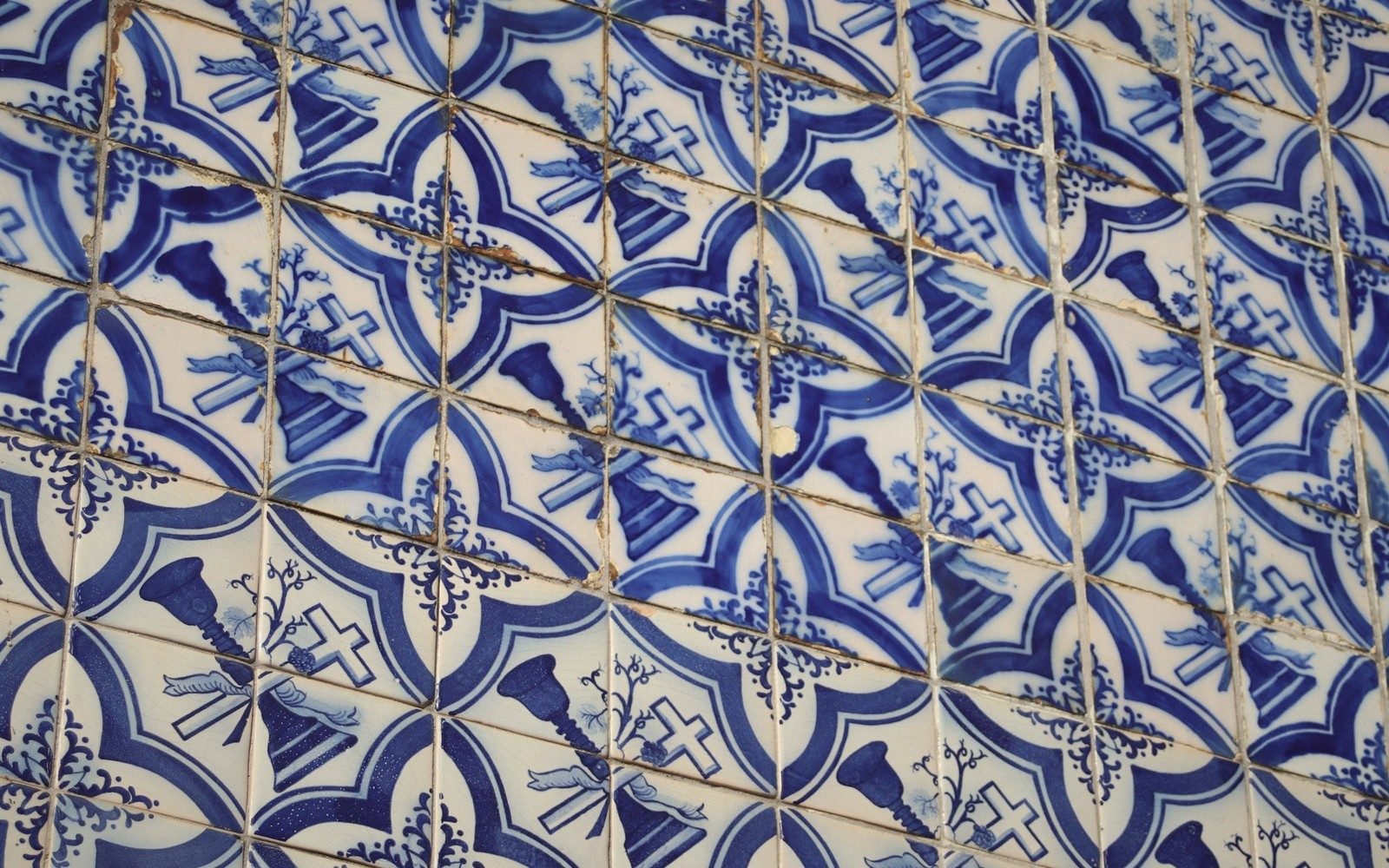
Cobalt under a clear glaze — and later a red that stands up off the surface when you catch it sideways.
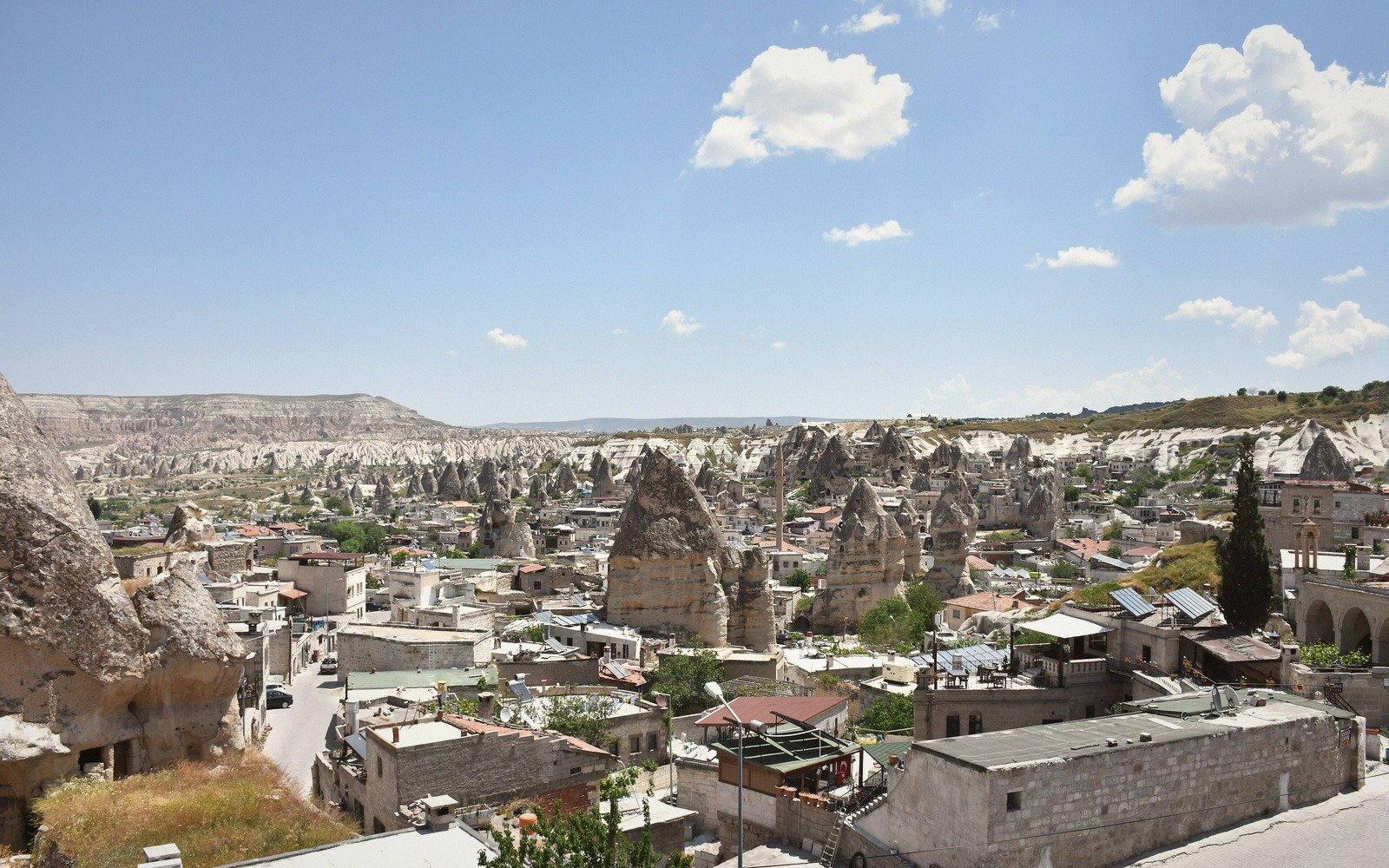
Ash, then wind, then patience. A landscape taken apart from the top down.
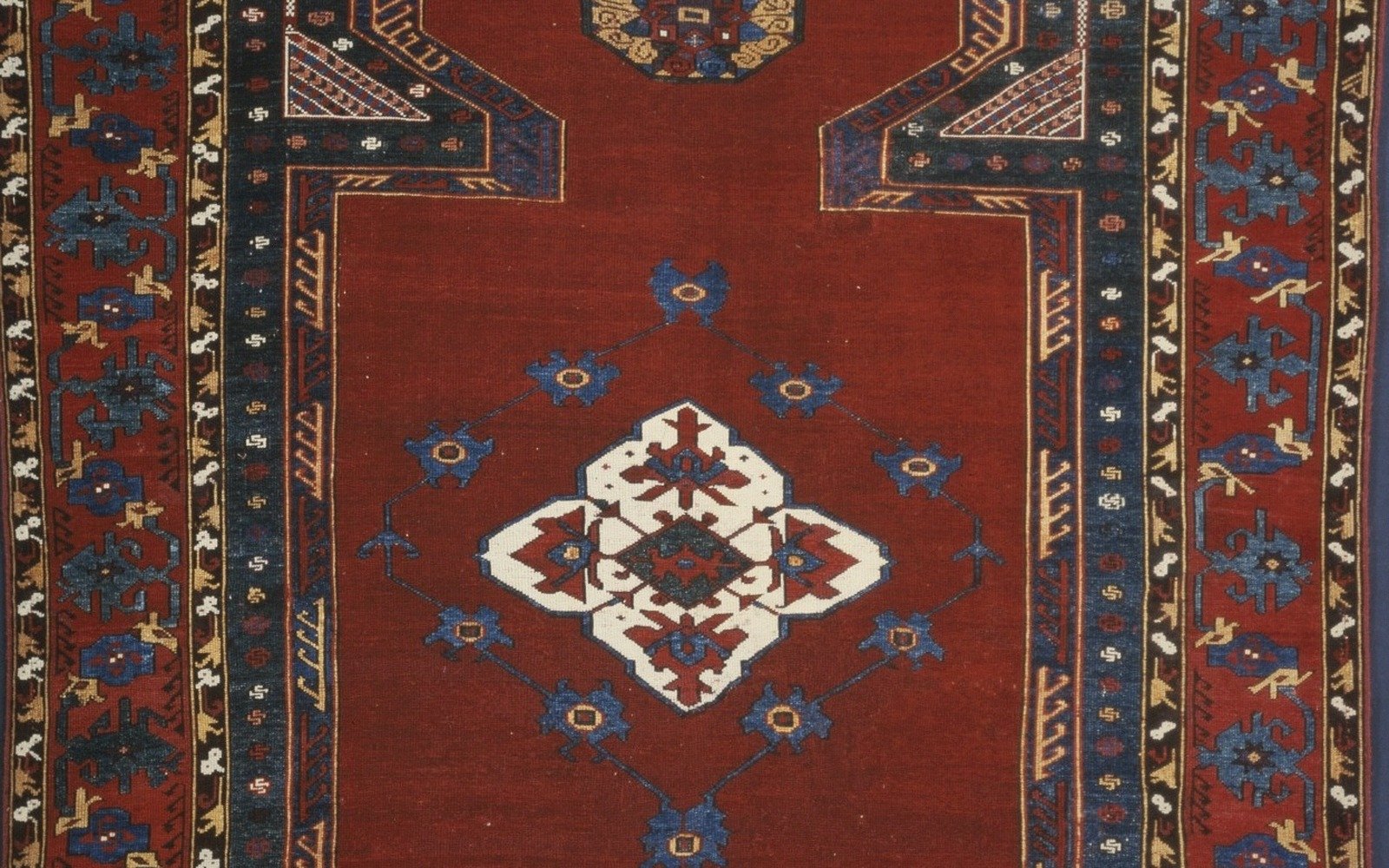
Field, border, guard stripe, medallion. A rug reads as a sentence.
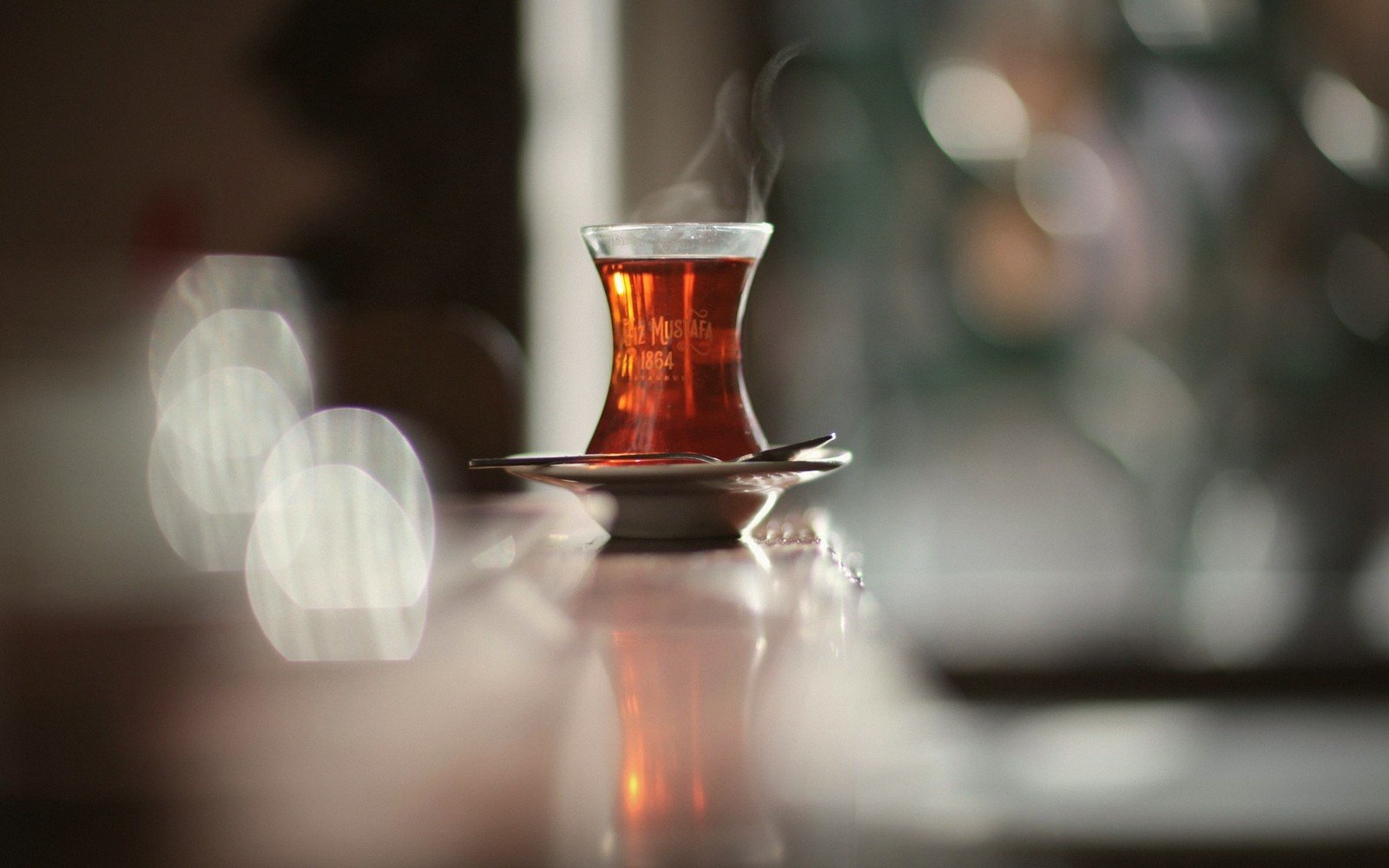
Brewed strong on top, cut with water from below, served in a tulip glass.
The signature device
Six shapes carry most of what you will see on a wall. Each one is drawn here as a single unit and again as the field it makes — hover a card, or read down the column, to watch the unit become a repeat.
The octagram is the grid, not the ornament. Repeat it and the gaps between the stars become crosses — which is why so many panels read as two interlocking shapes rather than one. Everything else in this key sits inside that field.
How a Tile Field Is Set OutTwo squares, one turned. Set it repeating and it produces the star-and-cross field most tile panels are laid out on.
The layout grid under most panels
Three dots and two wavy bands. Borrowed, ancient, and everywhere once you see it.
Tile, silk and court dress alike
A radial flower used as a centre — the point a panel is composed around.
The point a panel is composed around
The Ottoman signature. Stylised almost to a symbol, and rarely botanical.
Borders, spandrels, and the tea glass itself
Fan-shaped and layered; the tulip's usual companion in a border.
Alongside the tulip, filling a border
A split-leaf arabesque that carries the eye along a band rather than stopping it.
Running along an edge, carrying the eye
The same shapes travel between materials — tile, textile, stone, paper. Craft & Pattern is arranged by motif for that reason.
Every guide carries a pin. Drag the map, or read the list — they lead to the same pages.
map-slot
Real geodata at true coordinates. Pins link through to their guides; the list below is the same set of places.
Sequence only, not to scale.
Sequence only, not to scale. Every guide on the site carries the layer it belongs to.
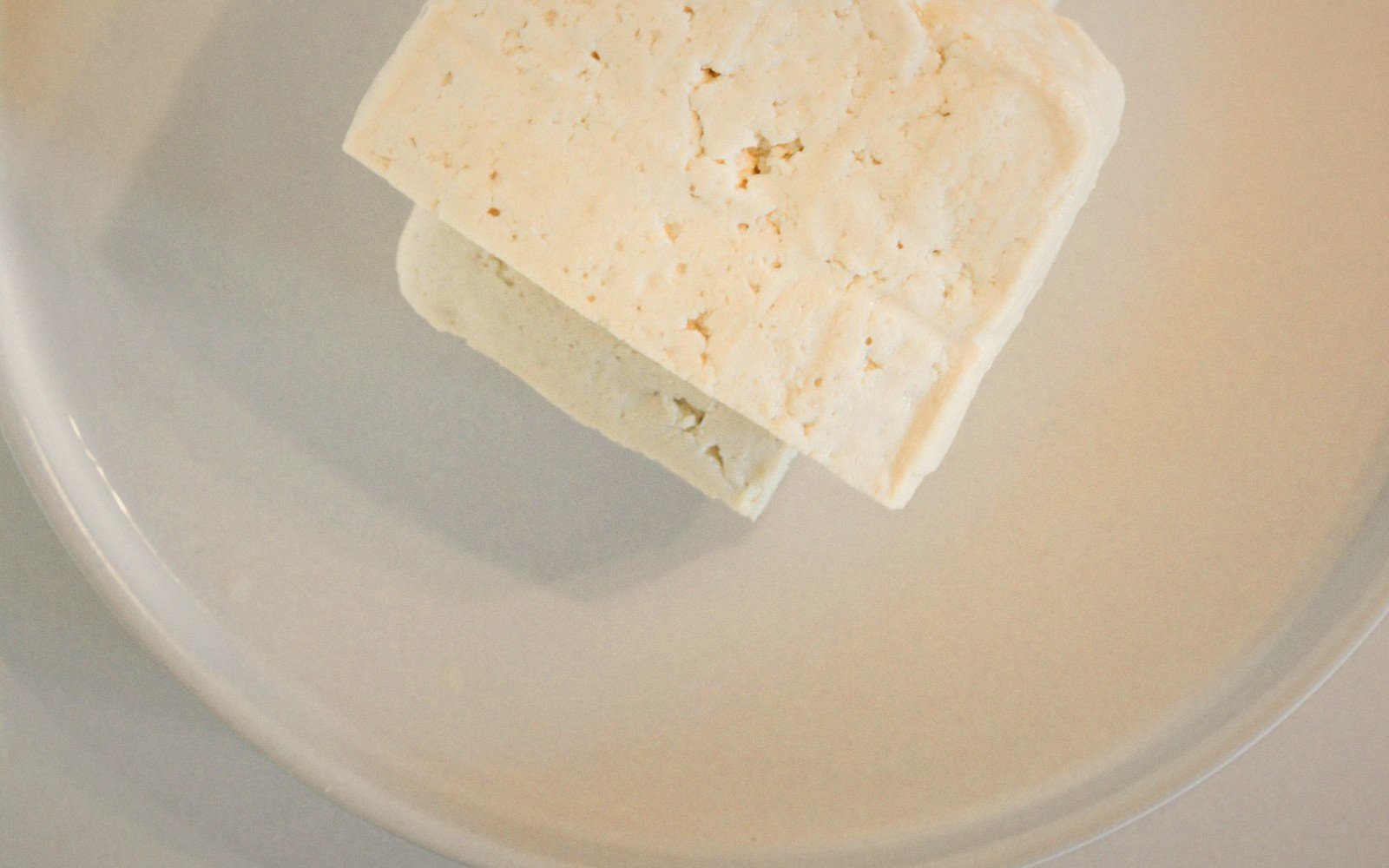
White cheese, the fixed point of the table.
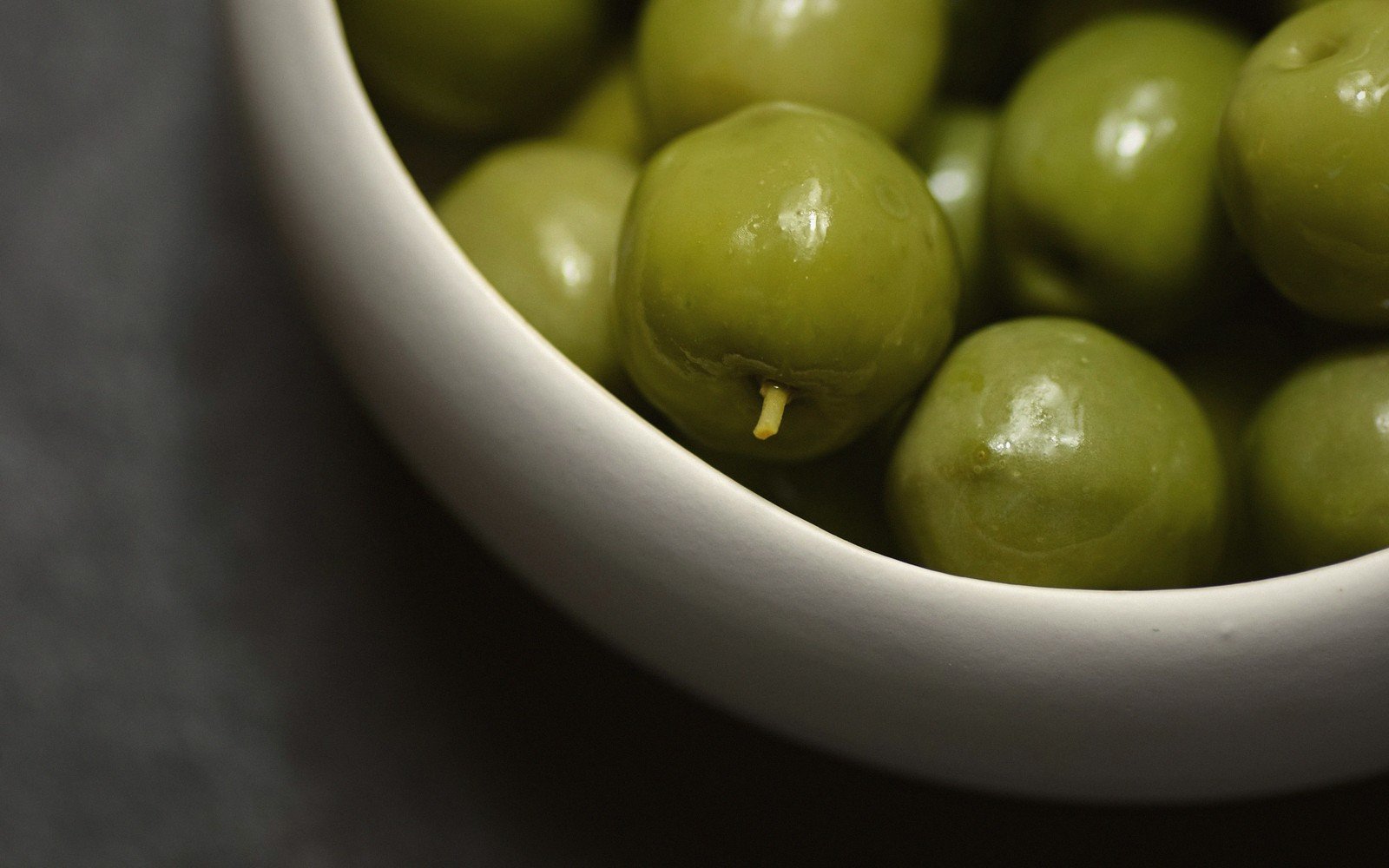
Black and green, usually both, usually undressed.
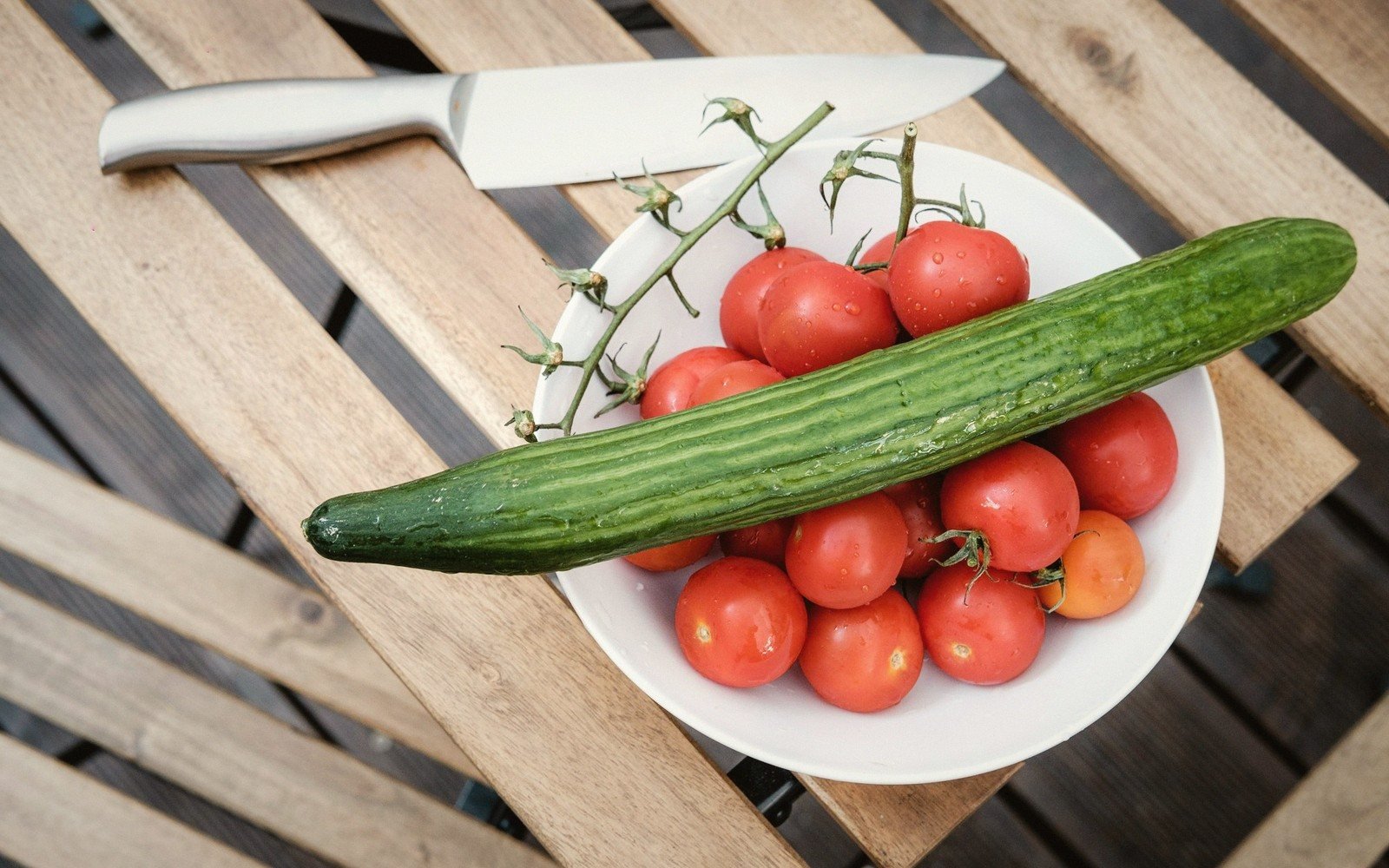
Cut, not dressed. The plate that makes it a meal rather than a snack.
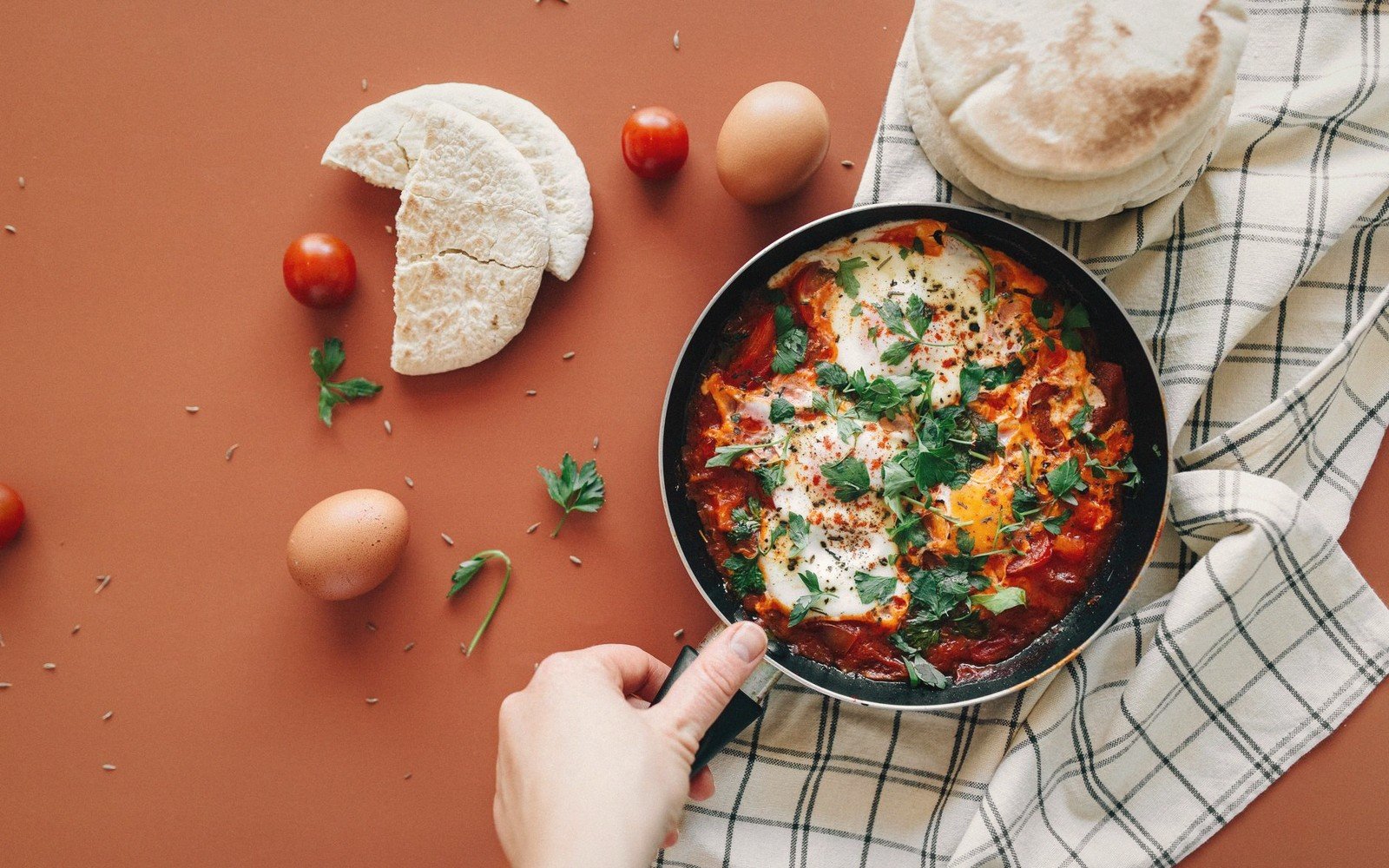
Eggs cooked with tomato and pepper, brought hot and shared.
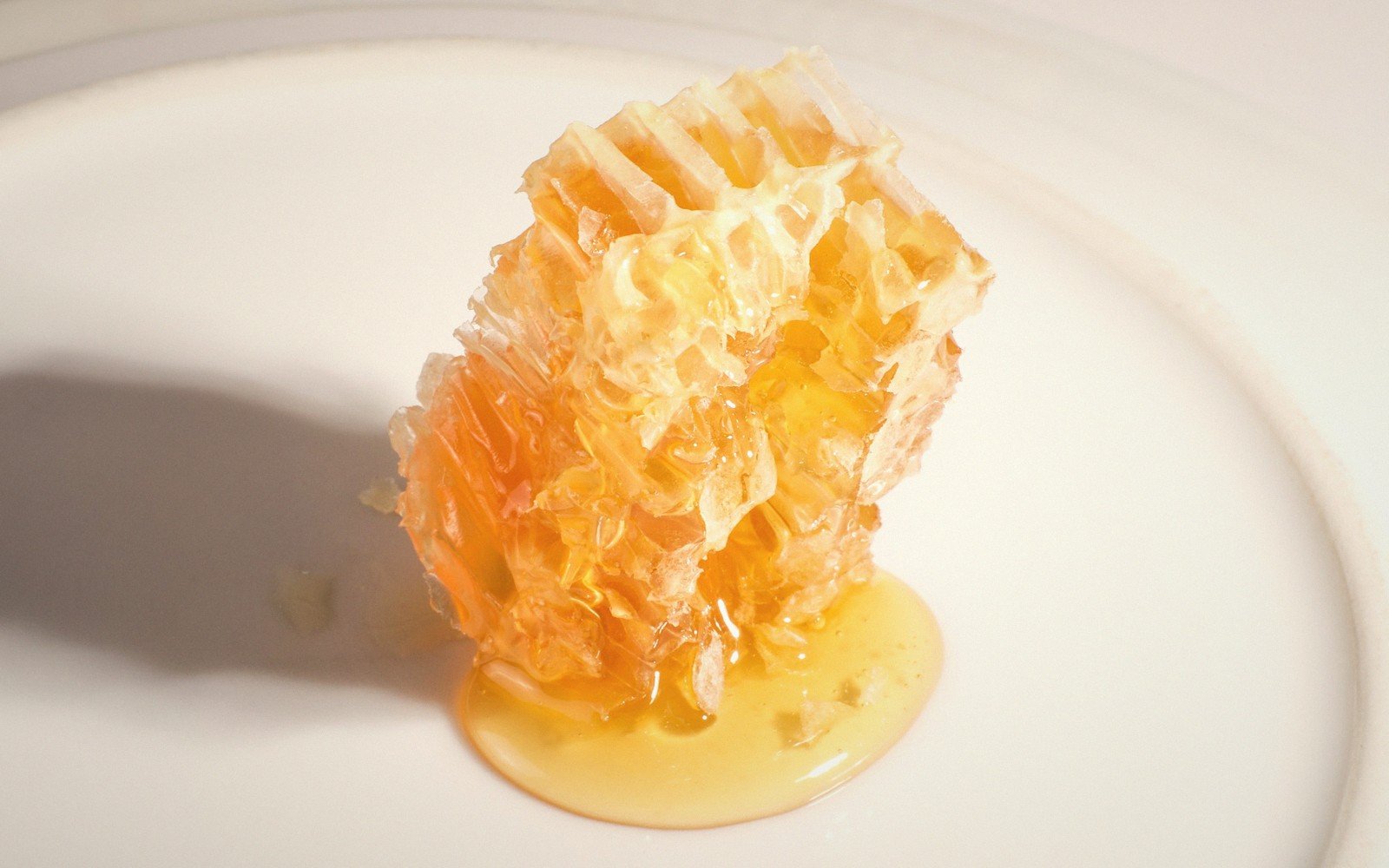
Clotted cream and honey — the sweet corner of the table.
The vehicle for all of the above.
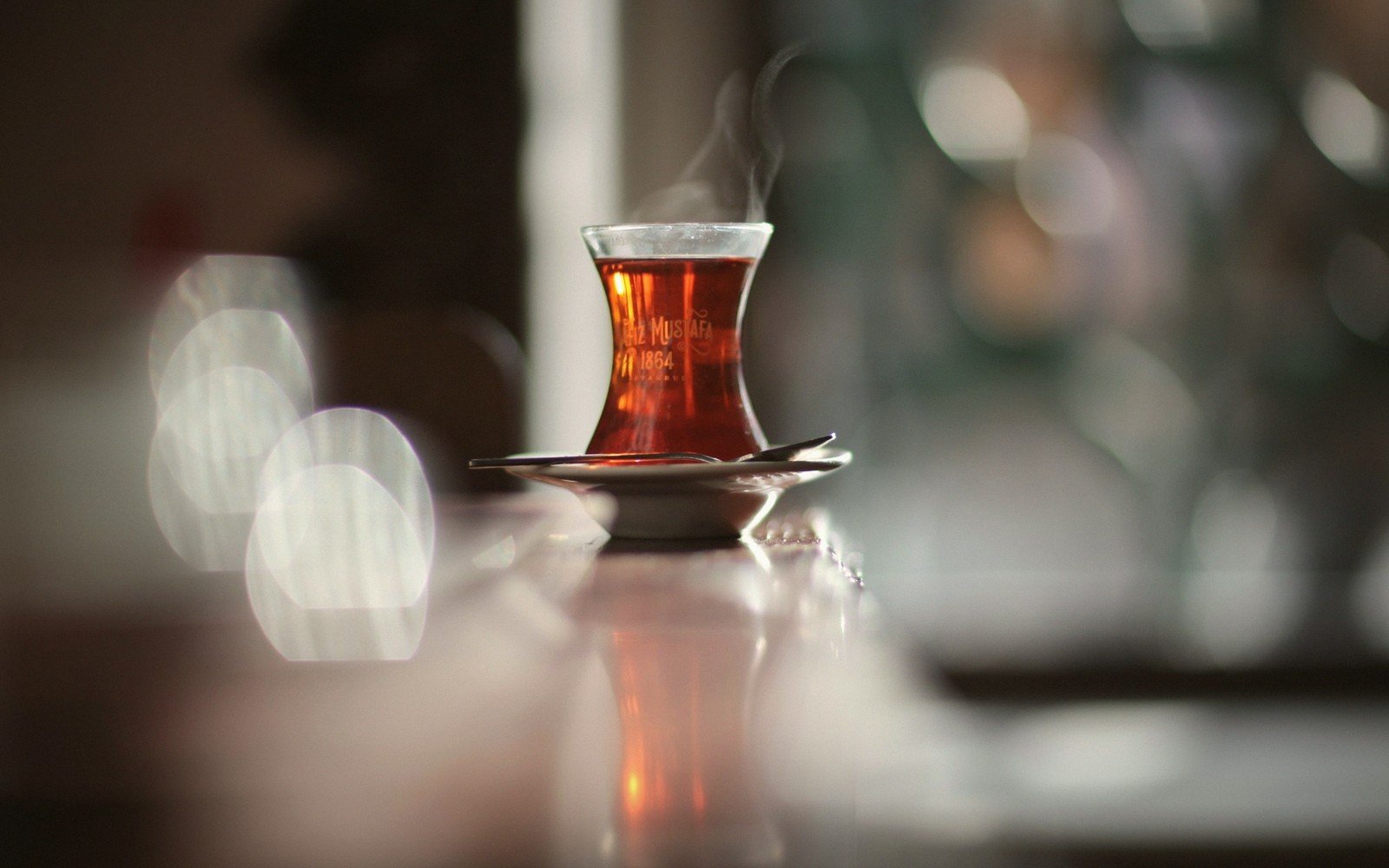
Refilled without being asked, for as long as you sit there.
Nothing here is a course. The plates arrive together and you assemble each mouthful yourself — which is why the salt and the sweet sit side by side. How a Turkish breakfast is actually built.
Three more guides, then the rest of the roster.
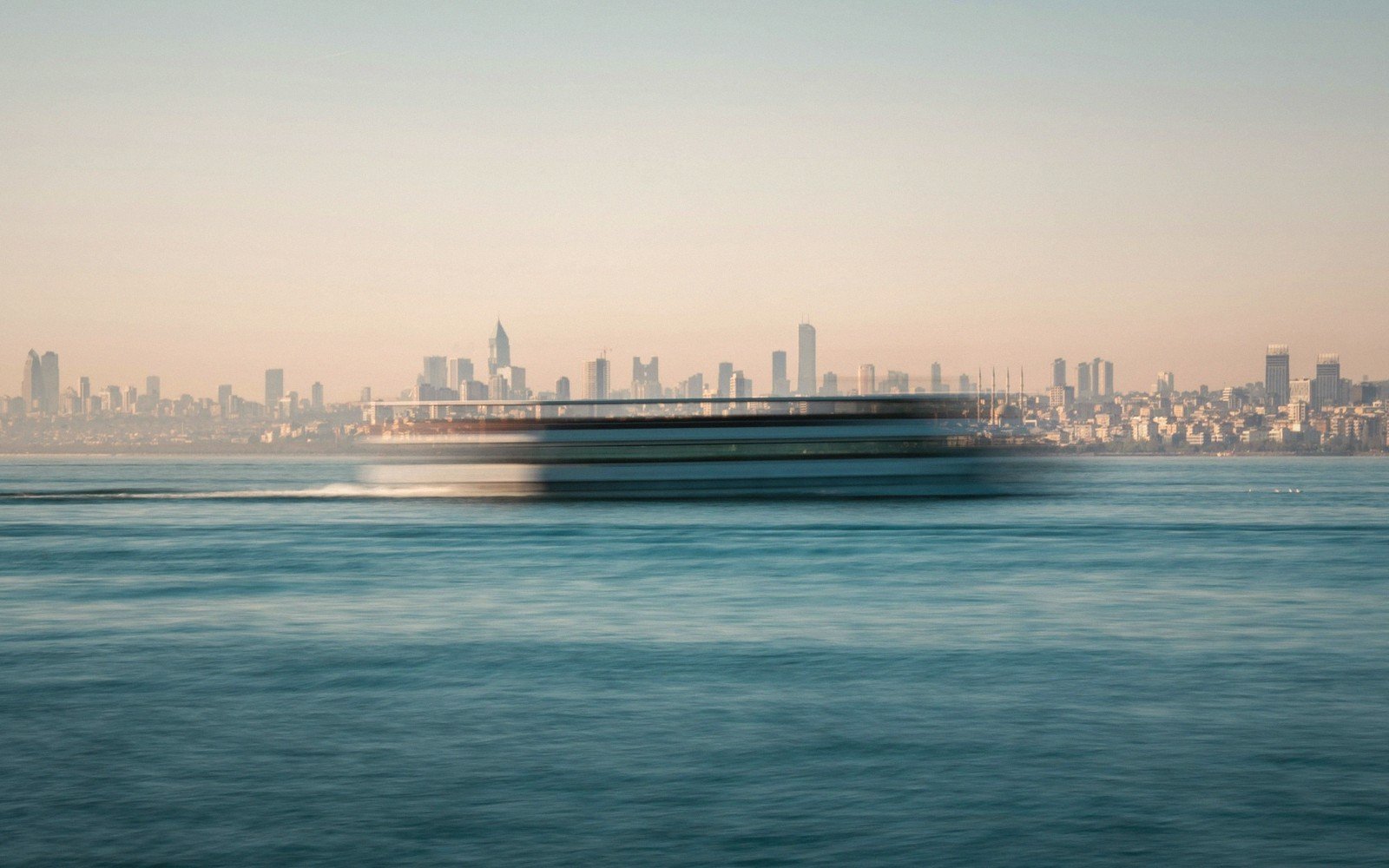
The cheapest good hour in Istanbul, and what you actually see.
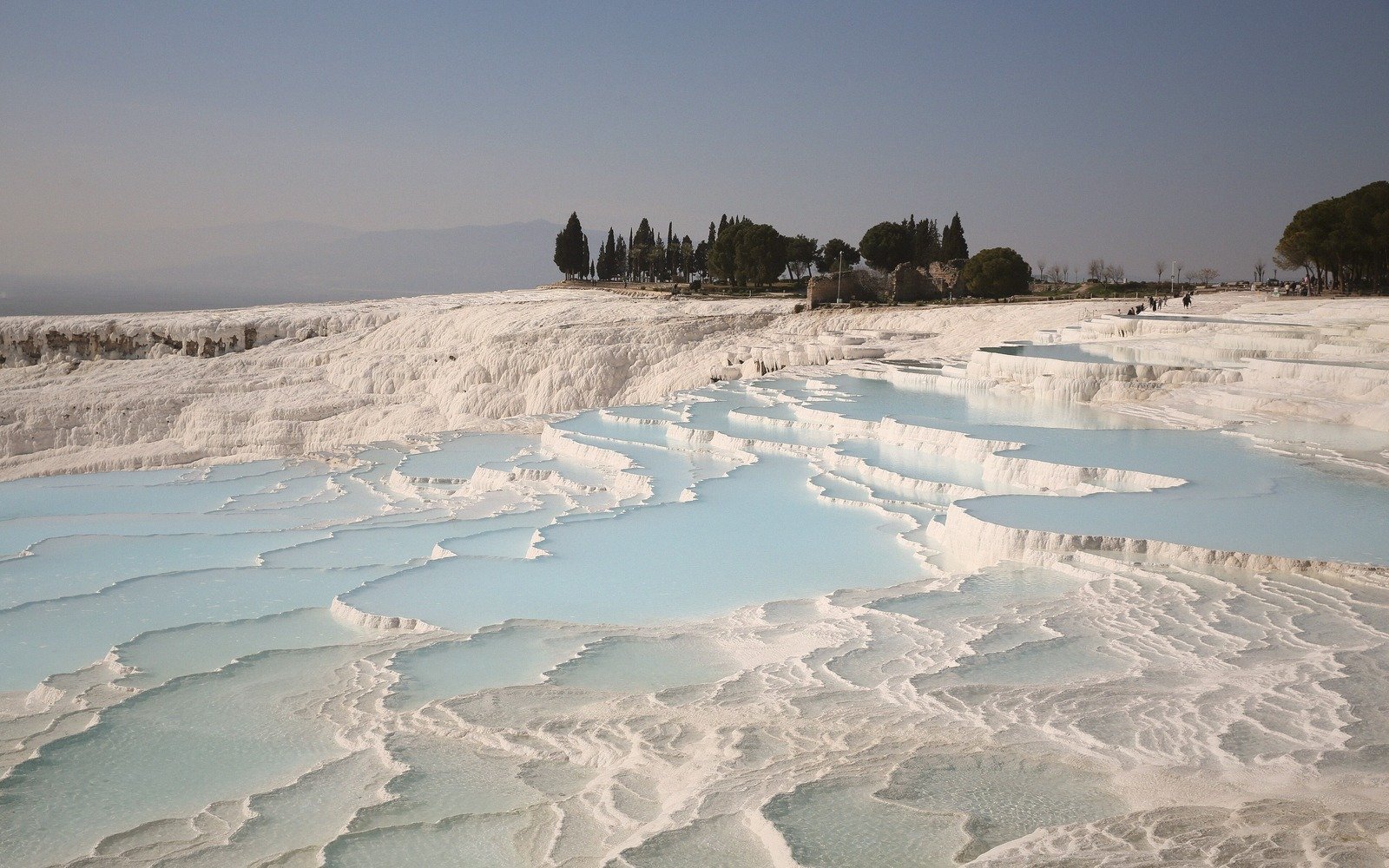
Calcite deposited by warm water, and why the white keeps moving.
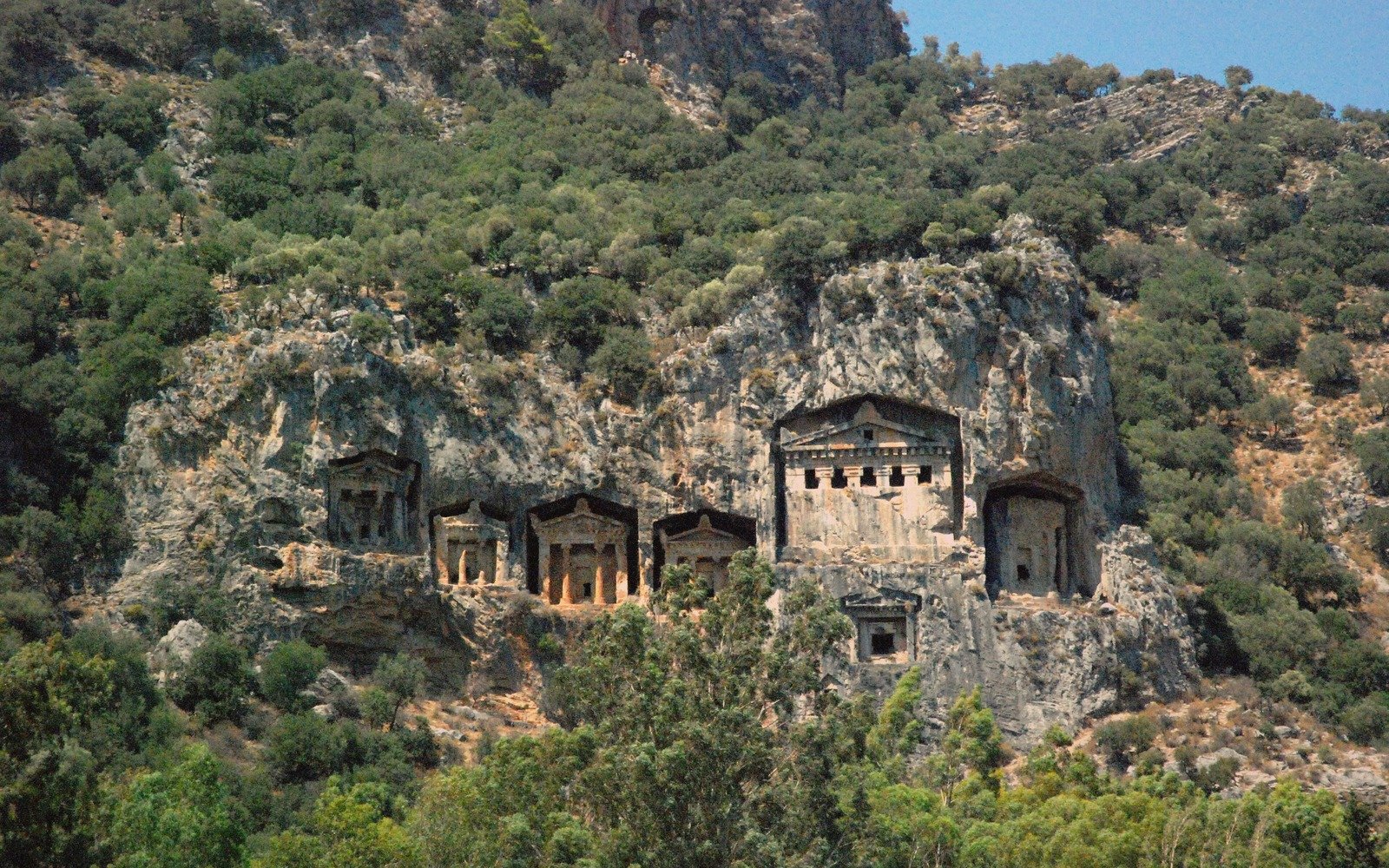
Rock tombs above a shoreline that is mostly still empty.
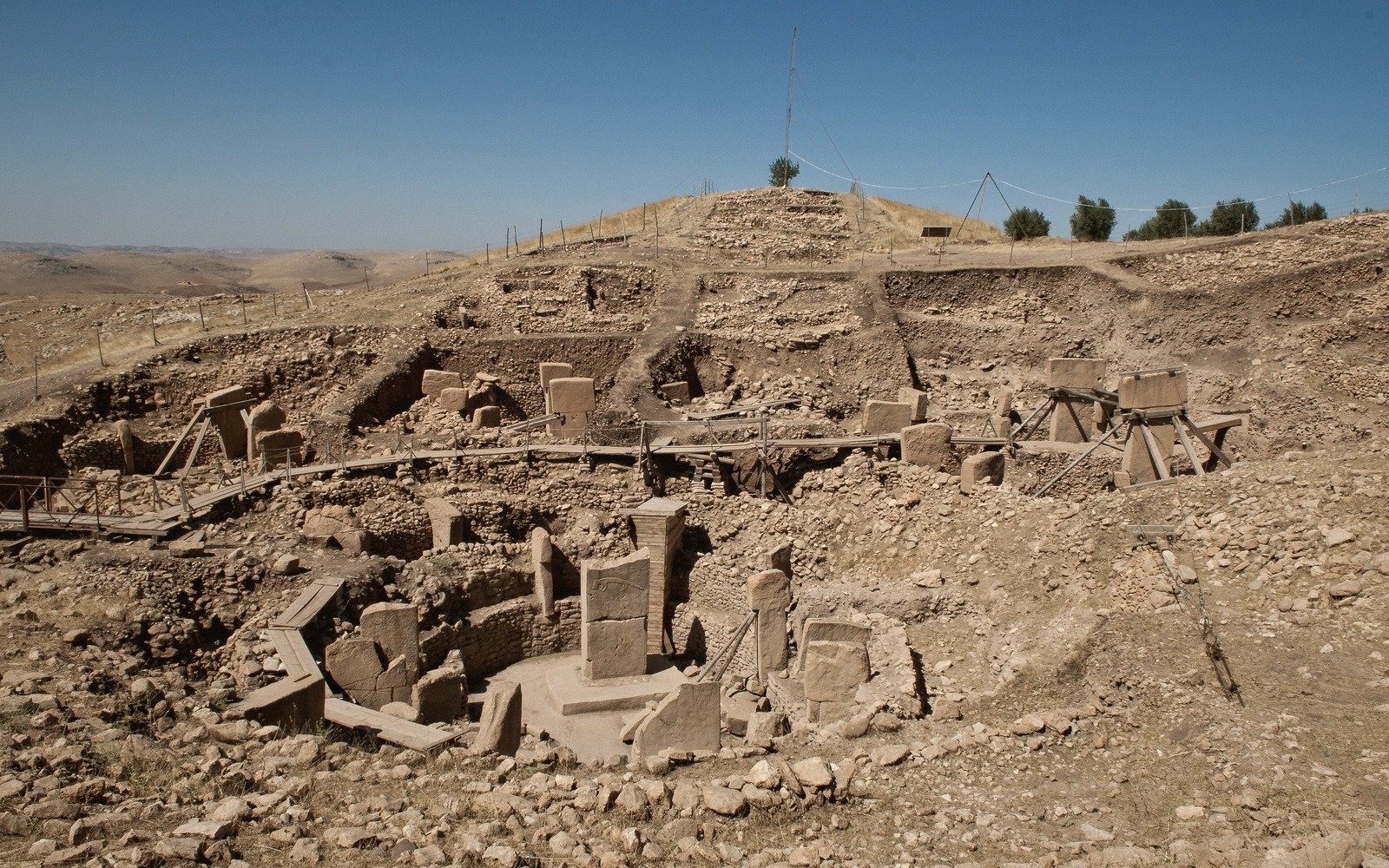 What Göbekli Tepe Changed About the StoryMonumental building before farming — and what that did to the accepted sequence.
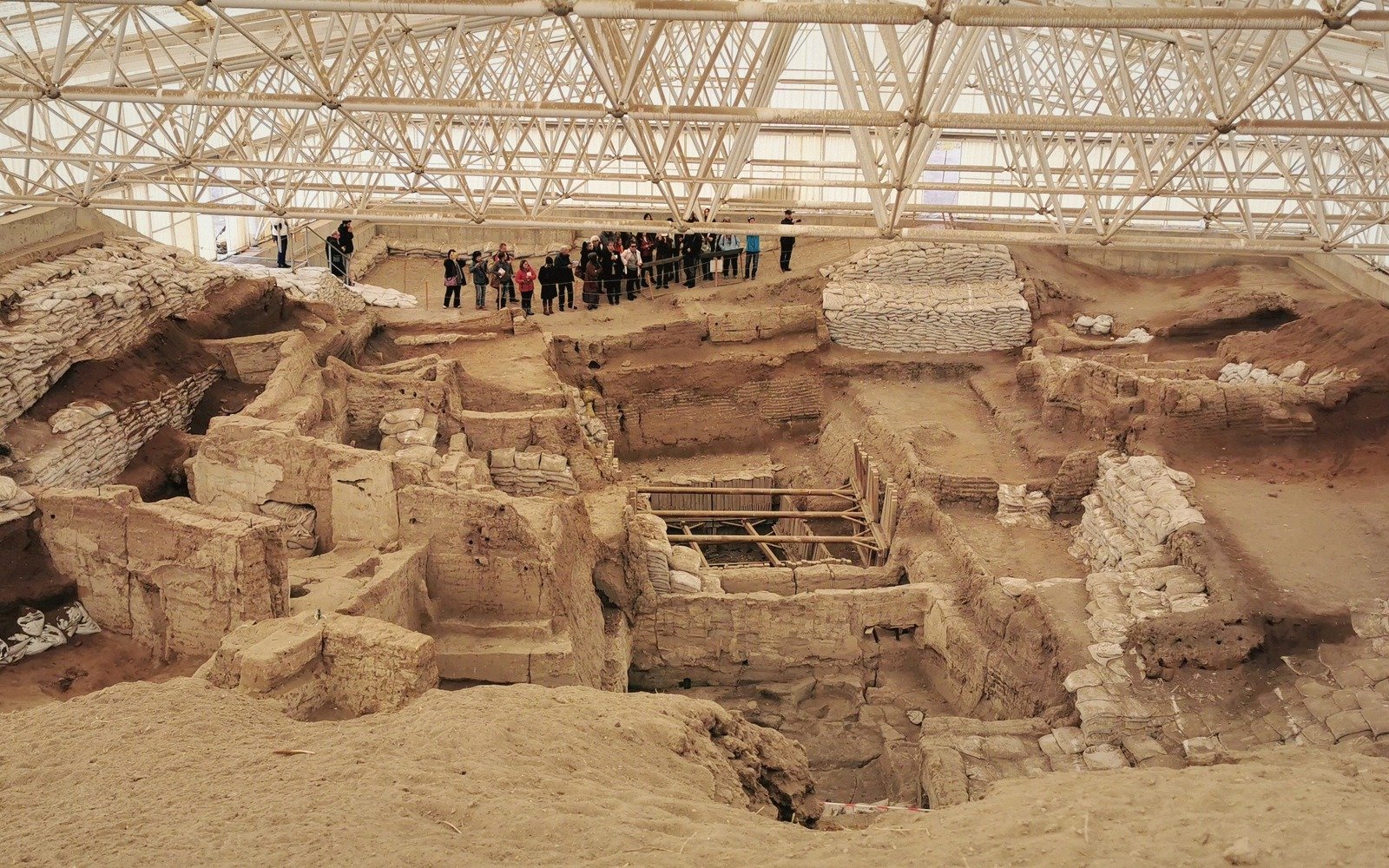 Çatalhöyük Had No StreetsA town entered through the roof, and what that says about how it worked.
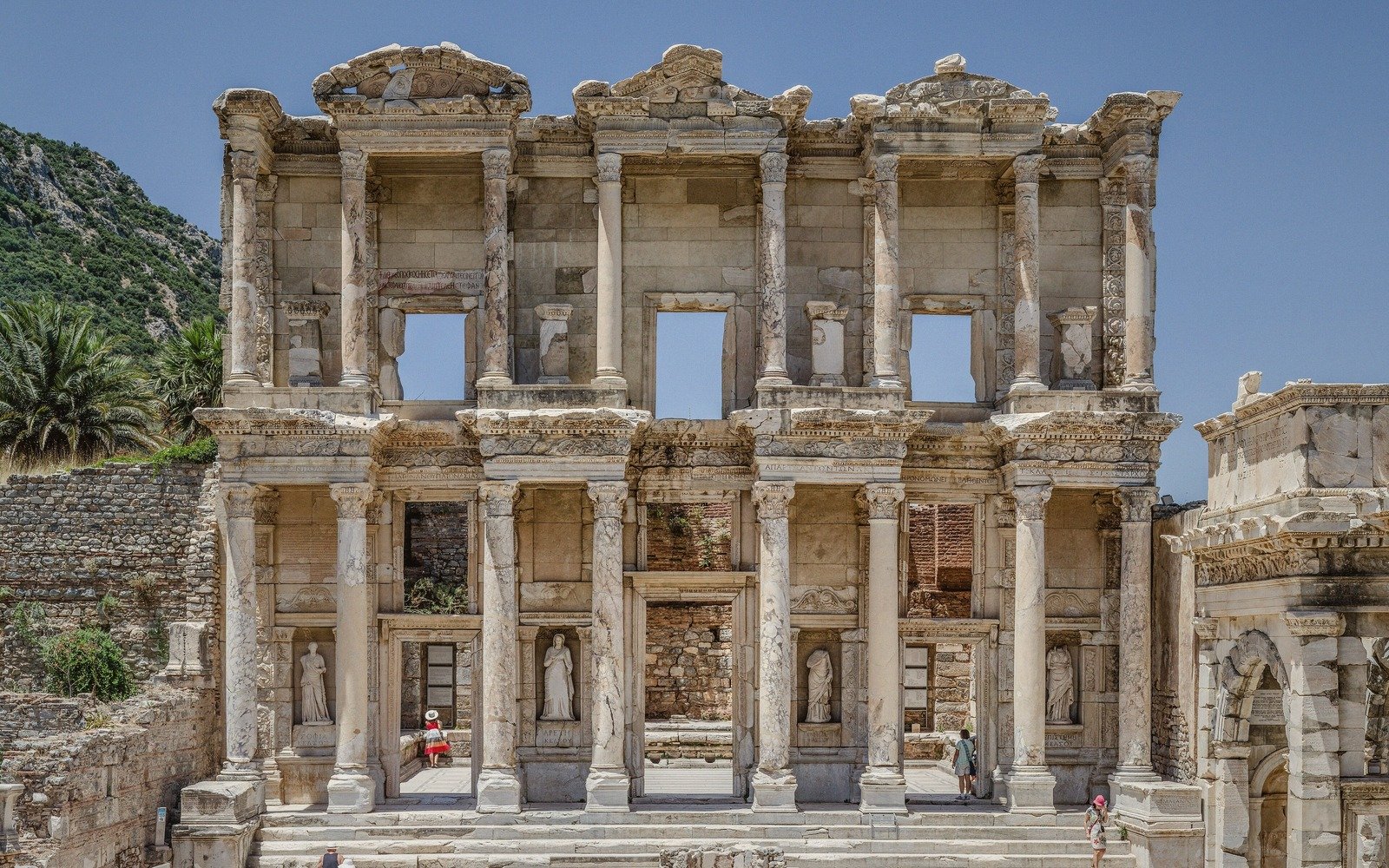 Ephesus Is a City, Not a SiteA whole street plan, and the library façade everyone photographs.
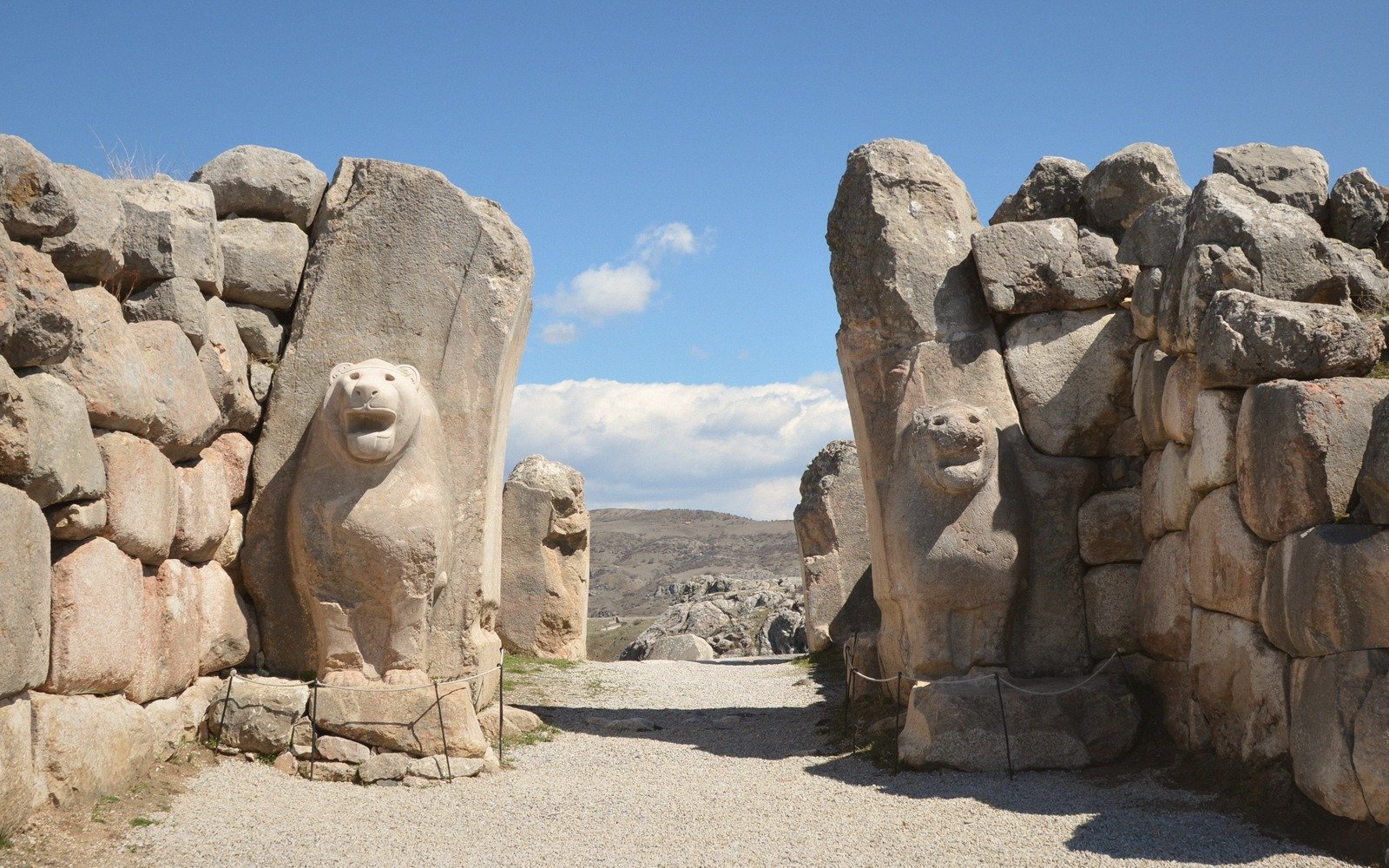 The Hittites Were a Great Power and Then Were NotHattusa, its lion gate, and an empire that left archives.
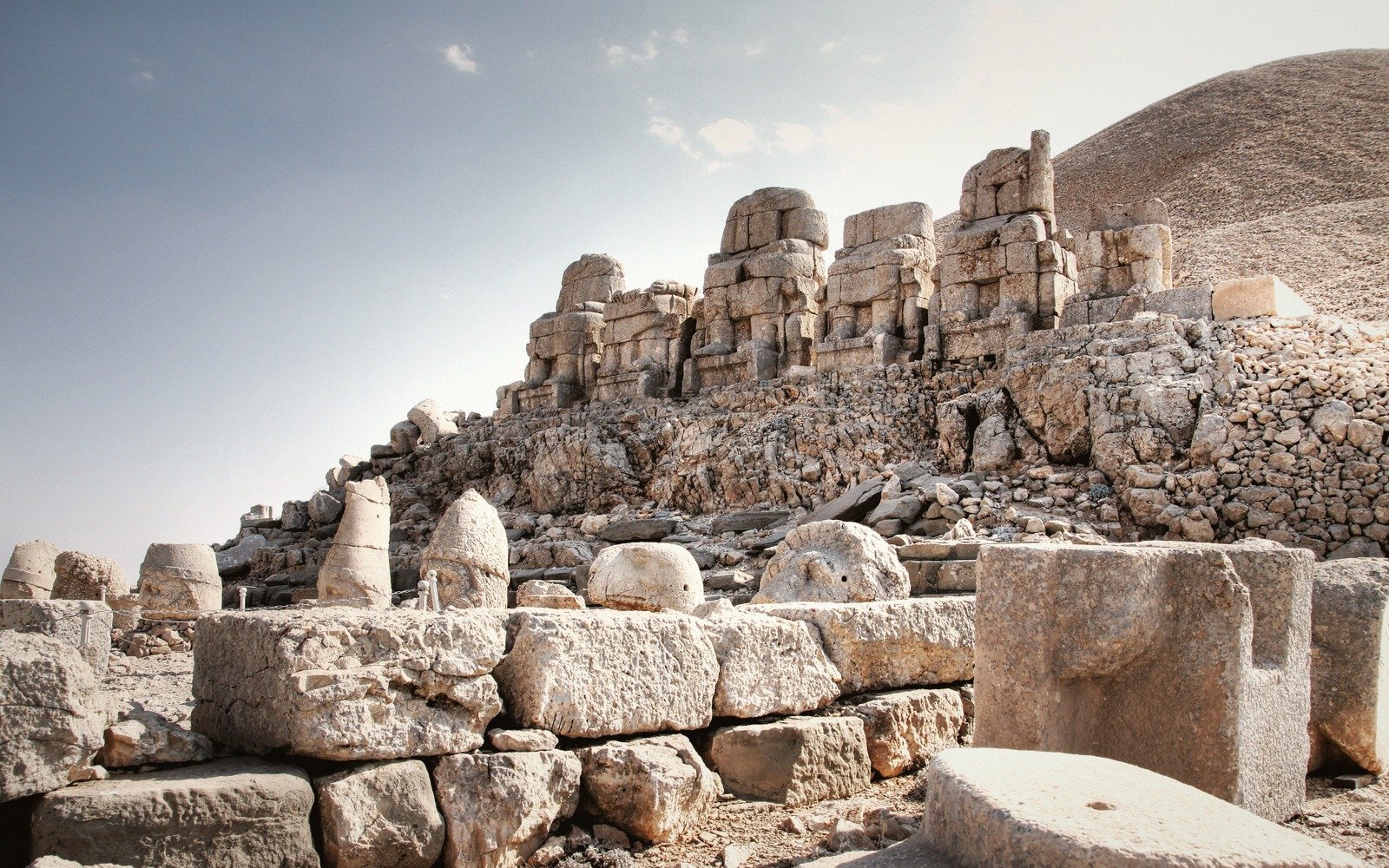 The Heads on Mount NemrutA king's tomb sanctuary above two thousand metres, and why the statues fell.
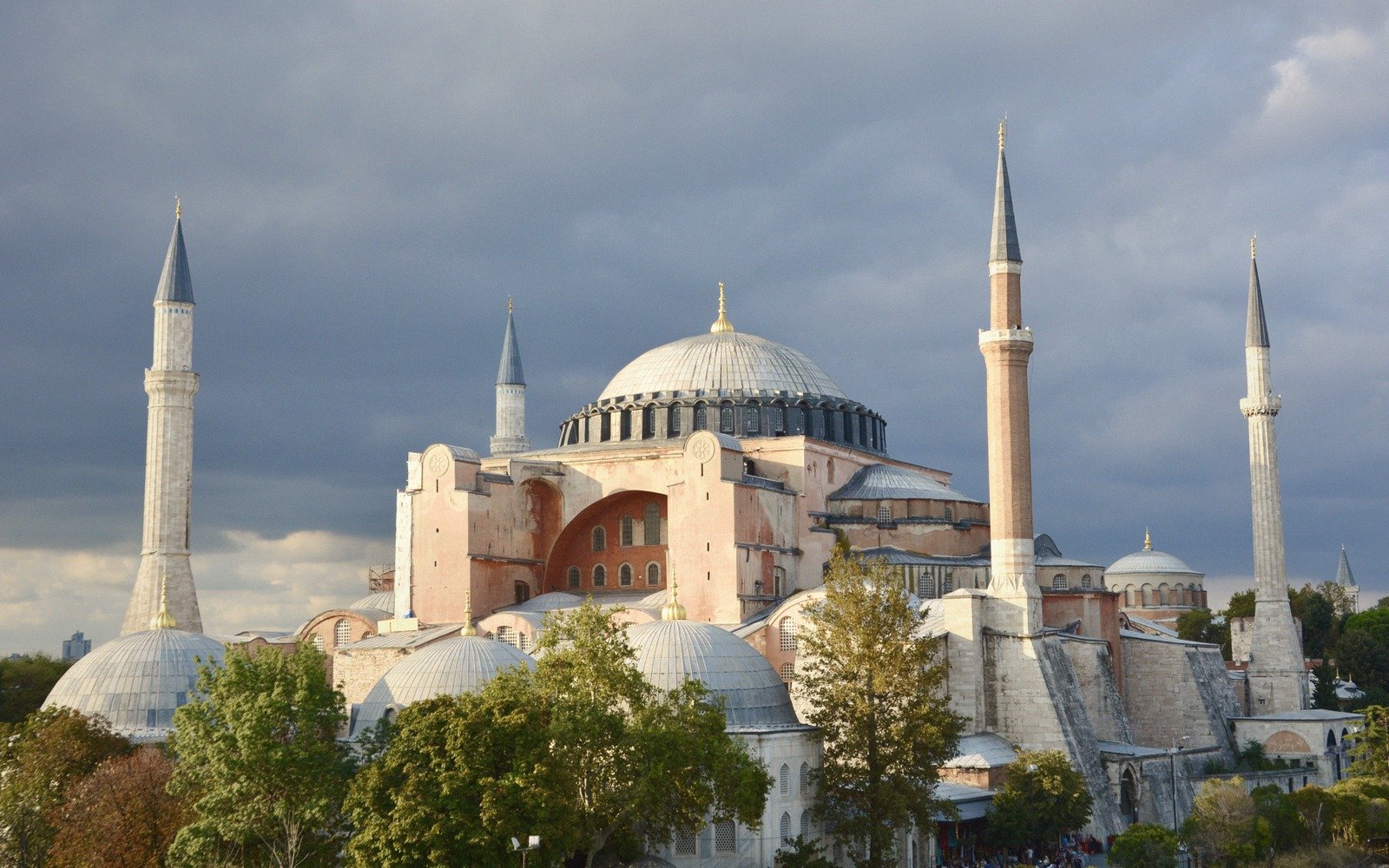 How Hagia Sophia Holds Up That DomePendentives, buttresses and fifteen centuries of remedial work.
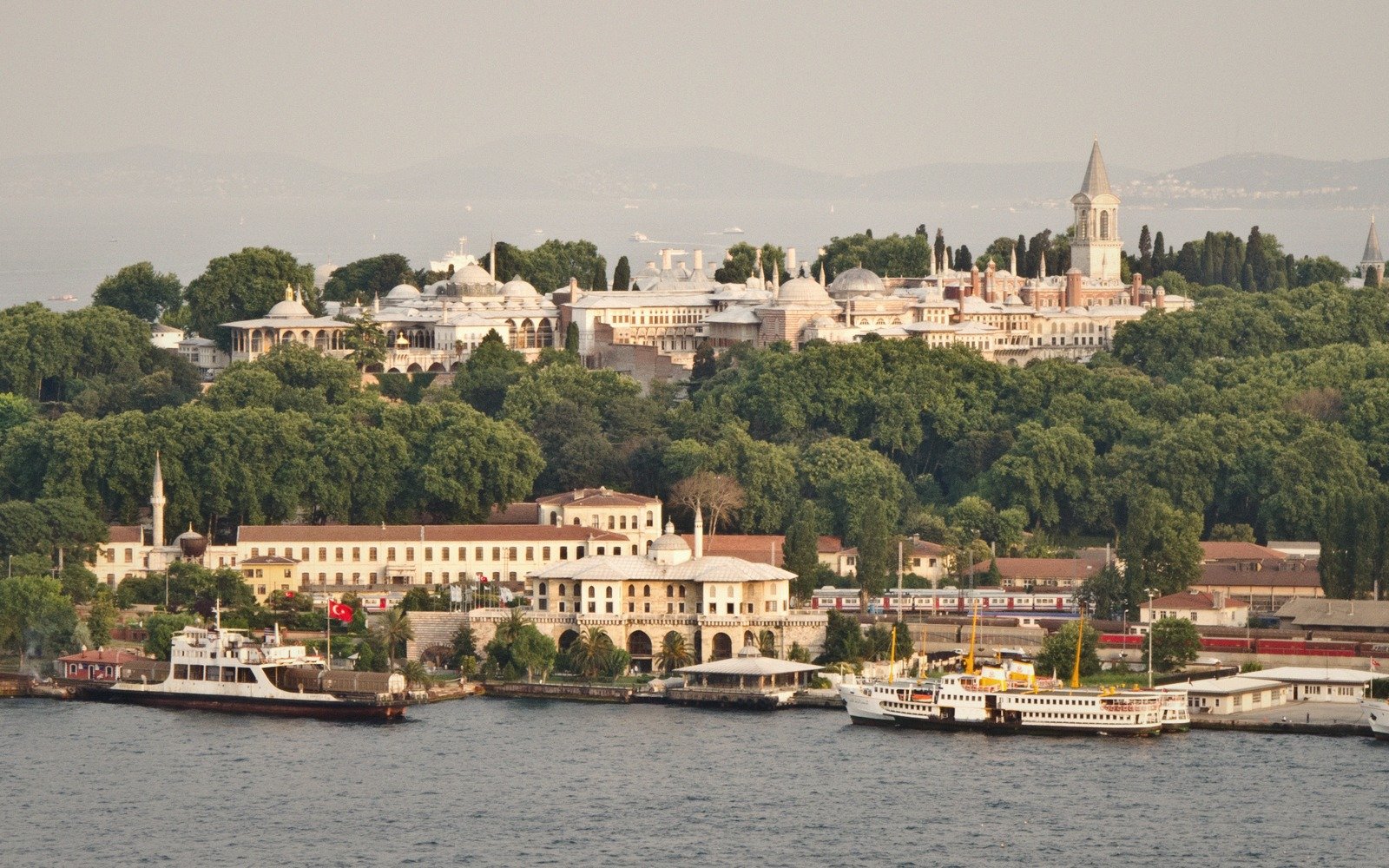 Topkapı Is a Series of CourtyardsA palace organised as thresholds rather than as a building.
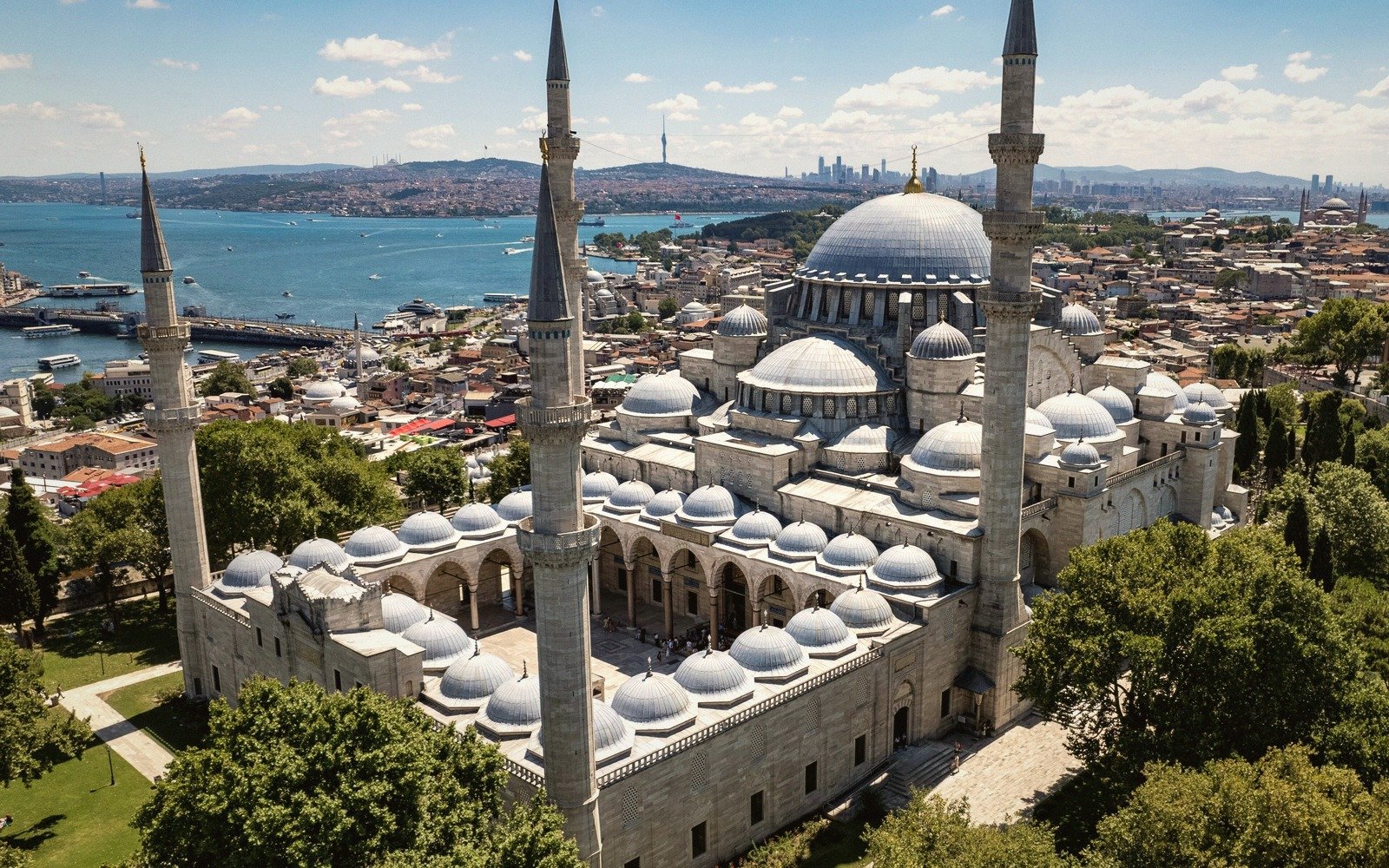 How an Ottoman Mosque Is Laid OutDome, half-domes, courtyard and the logic underneath the silhouette.
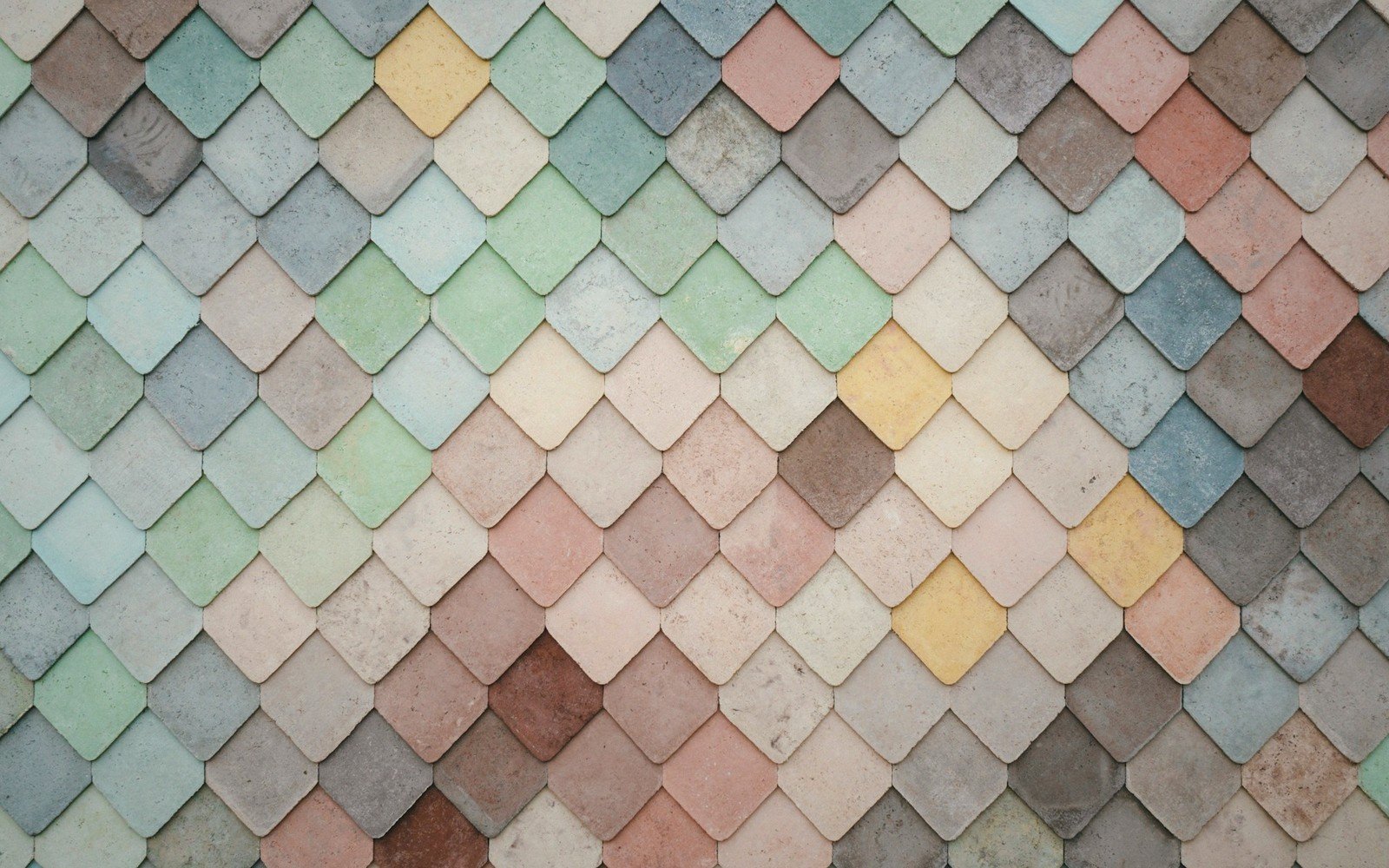 How a Tile Field Is Set OutStar-and-cross, and why the repeat is the whole design.
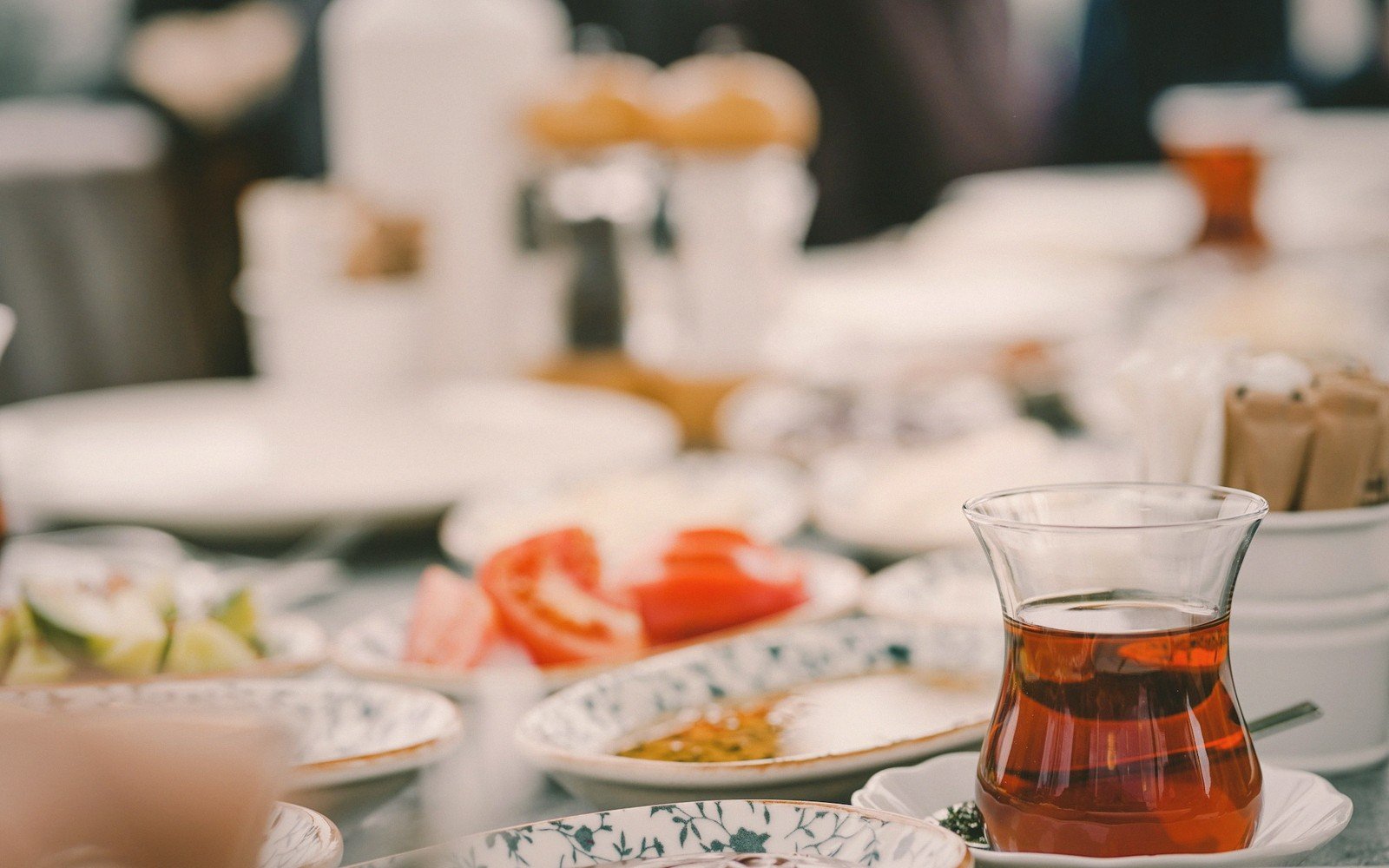 How a Turkish Breakfast Is Actually BuiltNot a dish but a table — and an order to how it is assembled.
Friends of the Reader, in no fixed order.
 XEmpire rules its domain the way great empires always have — boldly and without apology.
 Undercover Affairs — Istanbul's grand bazaar taught us every stall hides a secret.
 Varsity Grip brings the ancient wrestling spirit of Kırkpınar into a very modern arena.
 Moms Family Secrets — behind every welcoming Turkish kitchen door, stories run deep.
 Scout Boys explore uncharted territory the way every great Anatolian journey begins.
 Cardiogasm keeps the pulse racing like a sunrise hike up Cappadocia's red valley.
 GirlCum — like Turkey's hammams, pure bliss is always the destination.
 Lesbea's tender European encounters pair perfectly with Turkey's softest rose-petal traditions.